
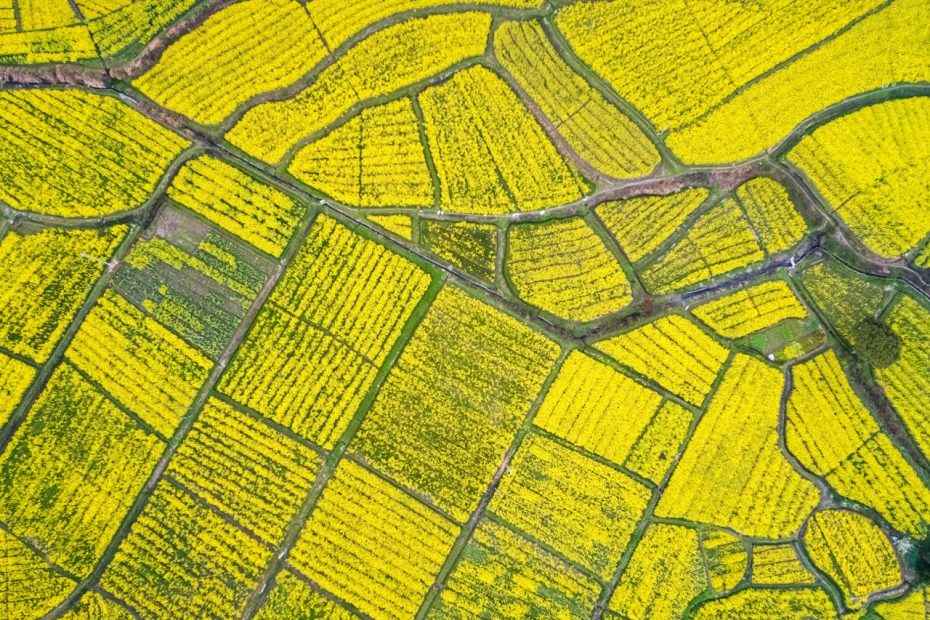
In today’s volatile financial landscape, investors are increasingly gravitating towards tangible assets, seeking stability and reliable returns. Among these, farmland shines as a unique fusion of mankind’s age-old reliance on agriculture and a burgeoning investment channel. These palpable assets, especially farmland, offer a sense of tangible permanence amidst the fleeting nature of today’s digital-focused investments. This deep-rooted association with the land traces back to ancient civilizations, where land was both sustenance and shelter. In modern investment strategies, farmland transcends being a mere asset, evolving into a legacy that encapsulates growth, history, and enduring value.
Farmland’s Role in Diversifying Investment Portfolios
Diversification is the cornerstone of a robust investment strategy. It’s the buffer against volatility, the safety net during downturns, and the multiplier in prosperous times.
The Stability of Real, Physical Assets Amidst Volatile Markets
In times of economic turbulence, when intangible assets can evaporate in value overnight, farmland remains resilient. Its value doesn’t hinge on boardroom decisions or digital market speculations. Instead, it thrives on a more basic principle – the world’s consistent need for food. This fundamental demand lends farmland a stability that’s hard to shake, even in volatile market conditions.
Comparing Farmland with Other Tangible Assets like Gold, Real Estate, and Commodities
While gold has historically been the go-to tangible asset for many and real estate offers the allure of tangible returns, farmland offers a unique blend of benefits. Unlike commodities, whose values can be subjected to drastic fluctuations, or real estate, which often requires a high upfront investment, farmland can offer steady, sustainable returns. Plus, with the world’s rising food demand, its value proposition is only expected to climb.
Top Reasons Investors Turn to Farmland
Hedge Against Inflation
In an economy experiencing inflation, the purchasing power of money diminishes. However, tangible assets like farmland typically appreciate, making them an effective hedge against inflationary pressures.
Potential for Consistent Returns
With the right management and practices, farmland can yield consistent returns. Whether it’s through the sale of crops or leasing the land to farmers, the avenues for income are diverse.
Farmland’s Resilience During Economic Downturns
When stock markets plunge and businesses shutter, people still need to eat. This simple fact ensures that farmland retains its value, even during challenging economic times.
Environmental Benefits such as Carbon Sequestration
Investing in farmland isn’t just financially prudent; it’s ecologically responsible too. Farmland plays a pivotal role in carbon sequestration, capturing and storing atmospheric carbon dioxide, which is pivotal in combatting climate change.
Positive Impact on Local Communities and Food Security
Farmland investments directly contribute to local economies, creating jobs and ensuring communities have access to fresh produce. In a broader sense, they play a role in global food security, ensuring that the rising population’s food needs are met.
Integrating Farmland into Your Investment Portfolio
As the allure of tangible assets grows, many investors are keen on diversifying their portfolios with the stability of farmland. However, incorporating such a unique asset requires meticulous planning, research, and understanding. Here’s a step-by-step guide on making farmland a part of your investment story.
Researching and Identifying Prime Agricultural Regions
Begin with thorough research. Not all farmlands are created equal, and their potential often hinges on geography, soil quality, and climate. Online databases, agricultural reports, and local farm agencies can provide valuable insights. Look for areas with consistent yields, good water sources, and a history of profitable farming.
Navigating Local Regulations and Land Use Policies
Understanding the legal landscape is crucial. Every region has its policies concerning land use, water rights, and farming practices. Engage with local agricultural departments or hire legal professionals familiar with the area’s regulations to ensure a smooth and compliant integration of your investment.
Collaborating with Agribusiness Professionals and Local Farmers
Building strong relationships within the farming community can drastically enhance the value and returns of your investment. Local farmers bring expertise, knowledge of the land, and potential partnership opportunities. Meanwhile, agribusiness professionals can offer market insights, new farming technologies, and access to wider distribution networks.
Sustainability: Investing in Eco-friendly and Organic Farming Practices
The global shift towards sustainable practices isn’t just an environmental movement; it’s an economic one. Consumers are willing to pay premiums for organic, sustainably sourced produce. By investing in eco-friendly farming, you’re not just doing right by the planet but positioning your investment for higher returns.
The Future of Tangible Assets and Farmland’s Role
In the vast, dynamic world of investments, some assets fade with time, while others, like farmland, only grow in prominence. As we gaze into the crystal ball of the future, it’s evident that the world’s oldest asset is poised to play a revolutionary role.
The Ever-evolving Investment Landscape and the Consistent Allure of Tangible Assets
Stock markets will rise and fall, cryptocurrencies will wax and wane, but tangible assets like farmland, gold, and real estate possess an innate stability. In a digital age, the tangible offers a grounding realism. As investors become more risk-averse and seek assets unaffected by digital volatilities, farmland, with its promise of food and life, remains a consistent favorite.
How Technology and Sustainable Practices are Shaping the Future of Farmland Investments
The future of farmland is not just in seeds and plows but in drones, data analytics, and sustainable innovations. Precision farming, using technology to optimize yields and resources, is revolutionizing agriculture. Moreover, sustainable practices, which prioritize the health of the land and its surroundings, are making farming more efficient and eco-friendly. Investors who adapt and adopt these changes stand to reap bountiful returns.
Farmland’s Pivotal Role in Addressing Global Challenges like Food Security and Climate Change
As the world grapples with burgeoning populations and the specter of climate change, farmland emerges as a silent hero. It’s at the frontline of ensuring global food security. Simultaneously, sustainable farming practices, from agroforestry to cover cropping, are combatting environmental degradation. For the discerning investor, farmland is not just an asset—it’s a vision for a better, more secure future.
FAQs
How does the ROI of farmland compare to other tangible assets?
Farmland has historically offered competitive returns compared to other tangible assets. While returns can vary based on factors like location, crop type, and management practices, farmland often provides both appreciation in land value and consistent revenue from crop yields. Moreover, its resilience during economic downturns can sometimes outpace other assets like stocks or even precious metals.
What are the tax implications of investing in farmland?
The tax implications vary based on the region and the nature of the investment. In many jurisdictions, farmland offers tax incentives or breaks, especially if it’s used for productive agriculture. It’s essential to consult with tax professionals familiar with agricultural assets in the specific location of the investment.
How do global food demands impact farmland valuations?
As global populations rise, the demand for food inevitably increases, driving up the value of productive agricultural land. Regions known for certain staple crops may see heightened valuation due to global demand shifts. In essence, farmland’s value is intricately tied to its ability to meet global food requirements.
Can urban investors effectively manage and benefit from farmland investments?
Absolutely. While urban investors might not have the hands-on experience of farming, partnerships with local farmers, hiring experienced farm managers, or investing through agricultural funds can allow them to benefit from the returns without daily management.
How does sustainable farming influence the value of farmland as an asset?
Sustainable farming practices preserve and often enrich the quality of the soil, ensuring long-term productivity. As consumers increasingly demand sustainably produced foods, such lands can command higher market values and crop yields, enhancing ROI for investors.
Weighing the Pros and Cons
Pros
Stable Returns: Farmland can provide steady income through crop yields, alongside appreciation in land value over time.
Resilience Against Market Volatility: Farmland remains a tangible asset unaffected by stock market fluctuations or digital currency volatility.
Positive Environmental Impact: Sustainable farming practices can contribute to a healthier planet, combating issues like soil erosion and carbon emissions.
Cons
Requires Specialized Knowledge: Successful farmland investment can necessitate a deep understanding of agriculture.
Potential for Natural Disasters: Floods, droughts, or pests can impact yields and, by extension, returns.
Long-term Commitment: Unlike liquid assets that can be quickly sold, farmland is a long-term investment, potentially tying up capital for extended periods.
In conclusion,
In the vast expanse of the investment world, farmland stands out, rich with history, promise, and undeniable value. Its tangible nature offers a grounding realism amidst the volatile whims of digital assets. While potential challenges exist, the myriad benefits, from environmental impact to stable returns, make it a compelling asset. As the world changes, one truth remains: people will always need food. This positions farmland not just as an investment for today but as a beacon for a sustainable, prosperous future. For the discerning investor, the call is clear—consider the earth, its potential, and invest in a future that feeds us all.

Dax Cooke is the founder of Farmfolio, a Medellín-based agribusiness and farmland development company. With 10+ years across capital markets and agribusiness, he builds sustainable, cash-flowing farmland projects and export supply chains (coconut, lime, teak, avocado). A three-time NAIFA 40 Under 40 honoree, his career began at Citigroup’s Capital Markets.