

Sustainable development is a holistic approach aimed at fostering economic growth, social inclusion, and environmental protection in a way that ensures the well-being of current and future generations. As the world grapples with pressing challenges like climate change, inequality, and resource depletion, the principles of sustainable development have become more relevant than ever. This article delves into the core objectives of sustainable development, explaining their significance and how they are interconnected.
Eradicating Poverty and Hunger
One of the primary goals of sustainable development is the eradication of poverty and hunger. Poverty is a root cause of many global issues, including poor health, inadequate education, and social unrest. Sustainable development seeks to provide all individuals with the resources and opportunities necessary to live healthy and productive lives.
Reducing poverty involves creating economic opportunities through job creation, education, and fair wages. Meanwhile, combating hunger requires ensuring access to nutritious food, which is closely linked to sustainable agricultural practices and food security initiatives. By addressing poverty and hunger, sustainable development aims to create a foundation upon which other goals can be achieved.
Promoting Good Health and Well-Being
Health is a cornerstone of sustainable development, as it directly influences economic productivity and quality of life. Sustainable development promotes access to healthcare, clean water, and sanitation to ensure that people can lead healthy lives. This objective also includes addressing issues such as maternal and child mortality, infectious diseases, and non-communicable diseases.
Efforts to improve global health are intertwined with other sustainable goals, such as education, gender equality, and environmental sustainability. For example, reducing air pollution and improving access to clean energy sources can significantly impact public health by reducing respiratory diseases.
Ensuring Quality Education for All
Quality education is a powerful tool for achieving sustainable development. It equips individuals with the knowledge and skills needed to participate fully in society and the economy. Education is also key to addressing other sustainable development goals, such as gender equality, poverty reduction, and good health.
Sustainable development focuses on ensuring that all children have access to free, equitable, and quality education. This includes not only basic education but also vocational training and higher education, which are crucial for fostering innovation and economic growth. Education for sustainable development also emphasizes teaching students about environmental stewardship and social responsibility.
Achieving Gender Equality and Empowering Women
Gender equality is both a goal in its own right and a critical factor in achieving sustainable development. Empowering women and girls contributes to economic growth, poverty reduction, and improved health and education outcomes. Sustainable development promotes equal access to education, healthcare, and economic opportunities for women, as well as their participation in decision-making processes.
Gender equality also involves addressing issues such as gender-based violence, discrimination, and unequal pay. By ensuring that women and men have equal rights and opportunities, sustainable development creates a more just and prosperous society for all.
Protecting the Planet through Environmental Sustainability
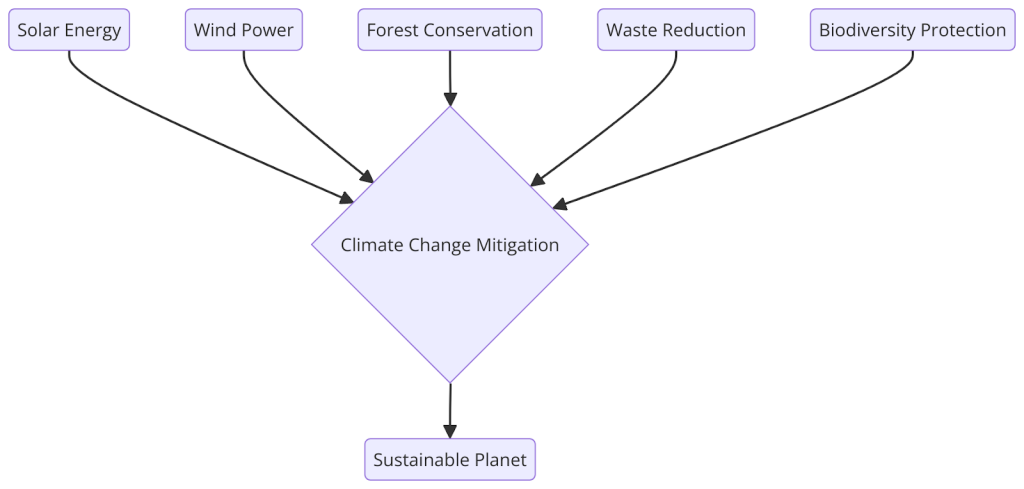
Environmental sustainability is at the heart of sustainable development. It involves protecting natural resources, reducing pollution, and mitigating climate change to ensure that the planet can support future generations. This objective includes promoting renewable energy, sustainable agriculture, and responsible consumption and production practices.
Sustainable development also emphasizes the importance of conserving biodiversity and protecting ecosystems. This is critical for maintaining the natural systems that provide food, clean water, and other resources essential for human survival. Efforts to combat climate change, such as reducing greenhouse gas emissions and transitioning to clean energy sources, are integral to achieving environmental sustainability.
Fostering Economic Growth and Decent Work
Economic growth is essential for improving living standards and reducing poverty, but it must be pursued in a way that is inclusive and environmentally sustainable. Sustainable development promotes economic policies that create jobs, reduce inequalities, and provide decent work conditions for all.
This objective includes supporting small and medium-sized enterprises, fostering innovation, and ensuring that economic growth benefits everyone in society, particularly the most vulnerable. Sustainable economic growth also involves reducing the environmental impact of production and consumption, ensuring that economic activities do not deplete natural resources or harm ecosystems.
Building Sustainable Cities and Communities
As the global population continues to urbanize, creating sustainable cities and communities has become a critical objective of sustainable development. This involves designing cities that are inclusive, safe, resilient, and sustainable. Key aspects include providing affordable housing, efficient public transportation, and access to green spaces.
Sustainable cities also prioritize reducing their environmental footprint by implementing energy-efficient building practices, managing waste responsibly, and promoting sustainable urban planning. By focusing on sustainable urban development, cities can improve the quality of life for their residents while minimizing their impact on the planet.
Conclusion: The Interconnectedness of Sustainable Development Goals
The core objectives of sustainable development are deeply interconnected, with progress in one area often contributing to advancements in others. For example, improving education can lead to better health outcomes, while promoting gender equality can spur economic growth. Achieving these goals requires a collaborative effort from governments, businesses, communities, and individuals.
Sustainable development is not just about addressing immediate challenges but also about creating a foundation for long-term prosperity and well-being. By understanding and working towards these core objectives, we can build a future that is equitable, prosperous, and sustainable for all.

Dax Cooke is the founder of Farmfolio, a Medellín-based agribusiness and farmland development company. With 10+ years across capital markets and agribusiness, he builds sustainable, cash-flowing farmland projects and export supply chains (coconut, lime, teak, avocado). A three-time NAIFA 40 Under 40 honoree, his career began at Citigroup’s Capital Markets.