
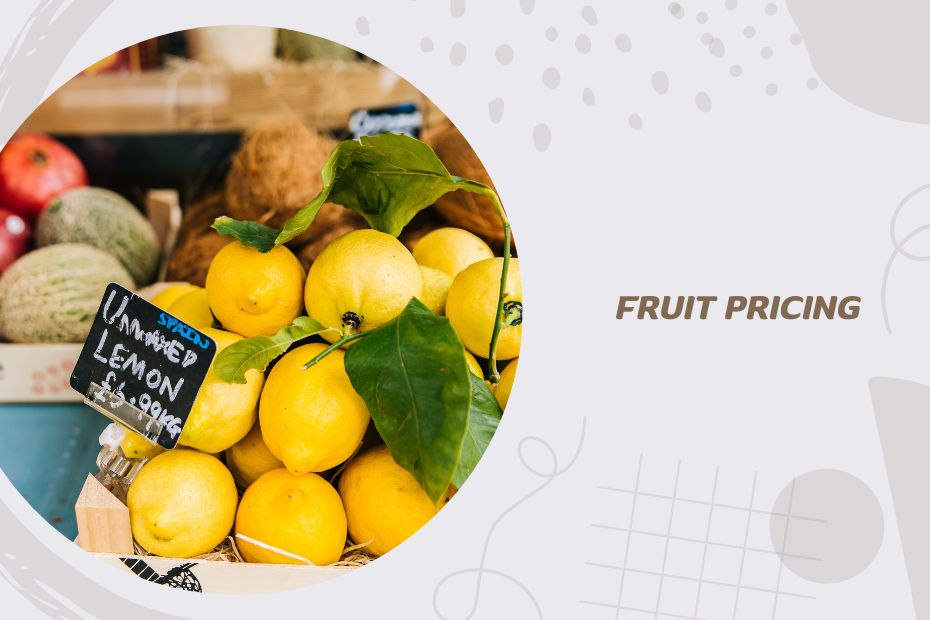
As someone deeply involved in the fruit industry, I’ve seen how unpredictable weather patterns can drastically affect fruit availability and pricing. From unexpected frosts to prolonged droughts, global weather patterns shape fruit production in ways that ripple across markets. Understanding these impacts is crucial for growers, distributors, and consumers alike. Here, we’ll explore the key ways weather influences fruit pricing and the strategies being used to navigate these challenges.
Temperature Extremes: A Double-Edged Sword
Temperature plays a pivotal role in fruit production. Excessive heat can stress plants, leading to smaller fruits, reduced yields, and lower quality. On the other hand, unseasonal warmth can trigger early blooming, leaving flowers vulnerable to frost damage later on.
For example, during a severe heatwave in Europe, fruit crops like apples and cherries experienced significant reductions in yield. Heat stress affects the size of fruits and their sugar content, which can influence market demand. Producers faced increased costs for irrigation to combat these challenges, and consumers saw higher prices due to limited supply. Such scenarios underline the delicate balance between temperature and fruit production.
Drought Conditions: Shrinking Supplies
Droughts are among the most pressing issues for fruit growers worldwide. Limited rainfall reduces water availability, which is essential for fruit trees and crops. In extreme cases, growers are forced to cut back on irrigation, leading to smaller or fewer fruits.
Spain, one of the leading exporters of fruits like oranges and peaches, has faced repeated droughts in recent years. These conditions shrink harvests and increase costs for farmers who must rely on expensive water resources. The resulting scarcity pushes prices upward, affecting both local and international markets.
Growers are increasingly turning to drought-resistant varieties and advanced irrigation techniques, such as drip systems, to mitigate these effects. While these solutions are promising, they often require substantial investments that can add to production costs and, ultimately, consumer prices.
Excessive Rainfall: A Hidden Threat
While water is vital for fruit production, excessive rainfall can be just as damaging as drought. Overly wet conditions can lead to root rot, fungal diseases, and soil erosion, all of which can devastate fruit crops. Flooding in orchards disrupts oxygen supply to roots, weakening trees and reducing yields.
In tropical regions, heavy rains can severely affect crops like bananas and pineapples, which are staples for many countries. When these disruptions occur, global prices for these fruits spike due to reduced exports. Farmers often struggle to recover from such losses, as wet conditions can damage trees for several seasons.
Frost Events: Sudden and Devastating
Frost is one of the most destructive weather events for fruit crops. A sudden frost during the flowering stage can destroy blossoms, preventing fruit from developing entirely. This type of damage is particularly devastating for stone fruits like peaches, apricots, and cherries.
In the United States, unexpected frosts in key growing regions such as California and the Midwest have led to significant losses. This reduced supply causes prices to climb sharply, especially for fresh, in-season fruits. Growers are employing frost-prevention methods like wind machines and frost blankets, but these measures are costly and not foolproof.
Hurricanes and Tropical Storms: Disrupting Entire Markets
Tropical storms and hurricanes wreak havoc on fruit crops in regions where these events are common. High winds and heavy rains can destroy trees, flatten fields, and damage infrastructure. Crops such as bananas, citrus, and avocados are particularly vulnerable due to their geographical concentration in hurricane-prone areas.
Hurricane damage can disrupt supply chains for months, causing shortages and price surges. For example, hurricanes in Central America often impact banana production, leading to price increases across North America and Europe. Rebuilding after such events takes time and resources, further compounding the financial strain on producers and consumers.
Climate Change: Long-Term Shifts in Growing Regions
Climate change is altering the global fruit market in profound ways. As weather patterns become more extreme and less predictable, traditional growing regions are facing new challenges. In some cases, these shifts are pushing fruit cultivation into previously unsuitable areas, while other regions are losing their ability to grow certain crops.
For instance, rising temperatures are forcing apple growers in India to move orchards to higher altitudes where the climate is cooler. Meanwhile, vineyards in southern Europe are struggling with heat stress, prompting producers to explore new growing techniques or relocate entirely. These transitions come with added costs, which are often passed down to consumers.
Mitigating Weather Impacts: Solutions in Action
Farmers and producers are actively working to minimize the effects of unpredictable weather. Advanced irrigation systems, such as drip irrigation, ensure efficient water use during droughts. Protective structures like greenhouses and shade nets shield crops from excessive heat and heavy rains. Additionally, researchers are developing more resilient crop varieties that can withstand environmental stressors.
Technology is also playing a role, with weather forecasting tools helping farmers plan and adapt to changing conditions. For example, precision agriculture uses sensors and data analytics to monitor crop health and optimize inputs, reducing losses caused by adverse weather. While these solutions show promise, their implementation often requires significant investment, influencing overall fruit pricing.
How Weather Affects Fruit Prices
- Temperature extremes: Reduce yields and quality.
- Droughts: Limit water availability, shrinking supplies.
- Excessive rainfall: Promotes diseases and damages roots.
- Frost events: Destroy blossoms and crops.
- Hurricanes: Cause widespread crop and infrastructure damage.
- Climate change: Alters growing regions and costs.
- Mitigation efforts: Raise production costs but stabilize supply.
In Conclusion
Global weather patterns have a profound impact on fruit pricing, shaping production levels, supply chains, and market dynamics. From droughts and frosts to hurricanes and long-term climate shifts, each factor contributes to fluctuations in availability and cost. Farmers are employing innovative strategies to mitigate these challenges, but the financial burden of adaptation often affects pricing. For consumers, understanding these influences provides valuable context for why fruit prices change, while for producers, navigating these challenges is essential for sustaining their livelihoods and feeding the world. As we look to the future, balancing innovation with sustainability will be key to ensuring the resilience of the fruit market.
Featured Image SEO Details
Alternative Text:
“Global fruit market impacted by weather patterns, showcasing diverse fruits and climate elements.”
Caption:
“Global weather patterns influence fruit pricing by affecting production, supply, and availability.”
Description:
“An assortment of fruits displayed alongside weather elements, symbolizing how global weather patterns impact fruit pricing and availability.”
SEO Details
Focus Key-Phrase:
“Weather Impacts Fruit Prices”
SEO Title:
“How Global Weather Affects Fruit Pricing”
Meta Description:
“Explore how global weather patterns, droughts, frosts, and climate change impact fruit pricing, production, and supply chains worldwide.”

Dax Cooke is the founder of Farmfolio, a Medellín-based agribusiness and farmland development company. With 10+ years across capital markets and agribusiness, he builds sustainable, cash-flowing farmland projects and export supply chains (coconut, lime, teak, avocado). A three-time NAIFA 40 Under 40 honoree, his career began at Citigroup’s Capital Markets.