
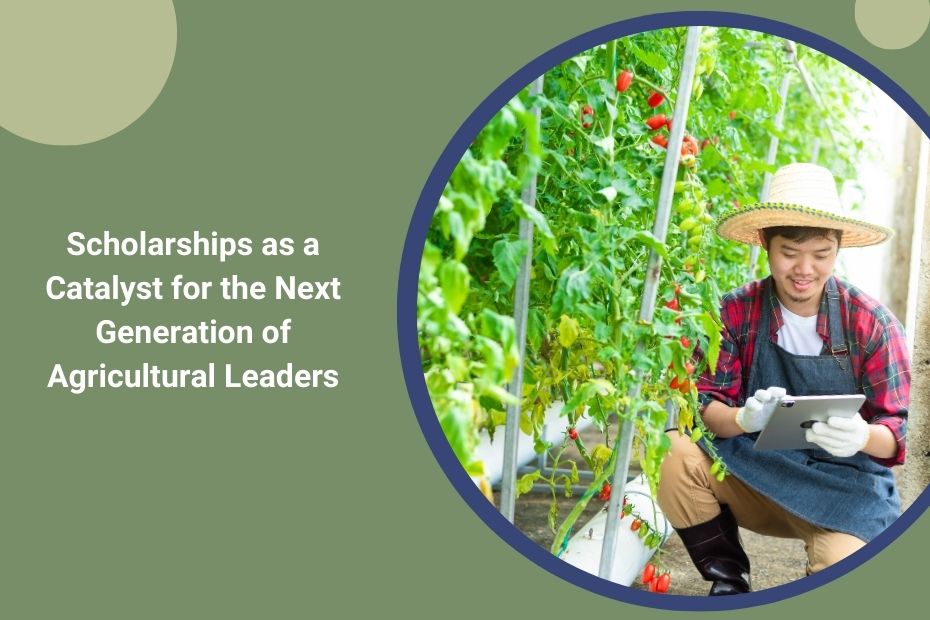
Agriculture has always been the backbone of economies, but as the global demand for food grows and environmental challenges increase, the need for skilled leaders in agriculture becomes more pressing. Scholarships are not just financial aids; they play a pivotal role in shaping the future of agriculture by helping develop the next generation of innovators, researchers, and thought leaders. This article explores how scholarships act as a catalyst for nurturing agricultural talent and fostering leadership in this critical sector.
Breaking Financial Barriers to Education
One of the most significant impacts of scholarships in agriculture is that they break financial barriers. Many talented individuals, especially from rural or underserved communities, might have the skills and passion for agriculture but lack the financial means to pursue higher education. Scholarships make it possible for these students to access top-tier agricultural programs, enabling them to learn advanced techniques, research methods, and sustainable practices.
By reducing the financial burden, scholarships ensure that a broader and more diverse group of students can pursue agricultural studies, contributing to a more inclusive and innovative field. This inclusivity allows fresh perspectives and solutions to emerge, ultimately benefiting the agricultural sector.
Encouraging Innovation and Research
Innovation is at the heart of modern agriculture, and scholarships often encourage students to engage in research that pushes the boundaries of current agricultural practices. Whether it’s developing new crop varieties, improving soil management, or advancing irrigation technologies, scholarships provide the financial support necessary for students to focus on groundbreaking research.
Many scholarships are specifically designed to fund agricultural research projects, offering students the chance to contribute to solutions for global food security and environmental sustainability. By fostering a research-driven mindset, scholarships ensure that the next generation of agricultural leaders is equipped to tackle the challenges of tomorrow.
Building Global Connections and Networks
In the modern agricultural industry, networking and collaboration are vital. Scholarships often come with opportunities for recipients to connect with industry professionals, researchers, and fellow students from around the world. These connections can lead to collaborations on international research projects, internships, and even job placements.
Through conferences, exchange programs, and mentorship initiatives, scholarship recipients are exposed to a global agricultural network, giving them the opportunity to learn about different farming practices, technologies, and market dynamics. This global exposure is crucial for developing well-rounded agricultural leaders who understand the complexities of the global food system.
Promoting Sustainability and Environmental Stewardship
With the world’s growing focus on sustainability, many agricultural scholarships now prioritize research and education in sustainable farming practices. These scholarships encourage students to explore environmentally friendly farming techniques, such as organic farming, agroforestry, and water conservation.
By promoting sustainability, these scholarships ensure that future agricultural leaders are well-versed in practices that not only increase food production but also protect the environment. This is especially important as the sector seeks to balance the needs of a growing population with the imperative to conserve natural resources.
Attracting Talent to Rural and Underserved Areas
One of the challenges in agriculture is attracting young talent to rural and underserved areas, where innovation is often needed the most. Scholarships targeted at students from these regions provide incentives for them to stay and contribute to the local agricultural economy.
By supporting students who have ties to rural communities, scholarships help cultivate agricultural leaders who are deeply invested in the success of these regions. Many scholarship programs also require recipients to work in rural areas after graduation, ensuring that these communities benefit directly from the knowledge and skills of the next generation of agricultural experts.
Encouraging Diversity in Agricultural Leadership
Diversity in agricultural leadership is essential for fostering a field that is inclusive of different cultures, ideas, and practices. Scholarships designed for women, minorities, and underrepresented groups in agriculture help bridge the gap and ensure that leadership in agriculture reflects the diversity of the global population.
When scholarships are aimed at increasing diversity, they not only provide opportunities for students who might otherwise be overlooked, but they also bring new perspectives to agricultural research, policy-making, and management. This diversity is crucial for addressing the unique challenges that different regions and communities face in agriculture.
Shaping Future Policy Makers and Innovators
Agricultural scholarships do more than just prepare students for careers in farming—they also shape future policymakers, entrepreneurs, and innovators. Many scholarship recipients go on to influence agricultural policies, lead nonprofit organizations focused on food security, or start businesses that revolutionize agricultural technology.
By giving students access to education, mentorship, and research opportunities, scholarships equip them with the skills and knowledge needed to take leadership roles in the agricultural sector. These future leaders will play a crucial role in shaping the policies and practices that will define the future of agriculture.
Key Benefits of Agricultural Scholarships
- Breaking financial barriers: Scholarships make education accessible for students from rural or underserved areas.
- Encouraging innovation: Scholarships support groundbreaking research in sustainable practices.
- Building global networks: Recipients gain access to international collaborations and mentorship.
- Promoting sustainability: Many scholarships prioritize education in environmentally-friendly farming techniques.
- Fostering diversity: Scholarships increase representation of women and minorities in agricultural leadership.
In Conclusion
Scholarships play an indispensable role in developing the next generation of agricultural leaders. By providing financial support, fostering innovation, promoting sustainability, and encouraging diversity, scholarships help cultivate a field of experts who are equipped to lead the agricultural sector into a sustainable and productive future. These future leaders will not only improve food production and distribution but also help protect the environment and enhance food security on a global scale. Through scholarships, the agricultural industry is investing in the talents and skills of young people, ensuring that the next generation will continue to drive progress in this vital sector.

Dax Cooke is the founder of Farmfolio, a Medellín-based agribusiness and farmland development company. With 10+ years across capital markets and agribusiness, he builds sustainable, cash-flowing farmland projects and export supply chains (coconut, lime, teak, avocado). A three-time NAIFA 40 Under 40 honoree, his career began at Citigroup’s Capital Markets.